NEWS ARCHIVE
NEWS ARCHIVE







S4EP39-NEWS-03
At recording, Jeremy Denzer reported that Independent Open had filled its expanded 48-unit World Championships allotment with two groups already waitlisted, while Scholastic A also had a growing waitlist. WGI has separately acknowledged 2027 Color Guard World Championships capacity restrictions and says it is continuing to look for solutions.

S4EP39-NEWS-04
WGI approved a quad judging panel for 2027 Percussion World Class finals, doubling the existing finals panel. The episode also discusses Audio Theater’s announcement that it will step away from WGI competition for the 2027 season and changes to the 2027 regional calendar.

S4EP39-NEWS-01
The family of Hawkeye Marching Band mellophone section leader Derek Phillips thanked musicians, fans and organizations across the country for the memories, messages and tributes shared after his death. OAWB reflects on the response from the marching community.
S4EP39-NEWS-02
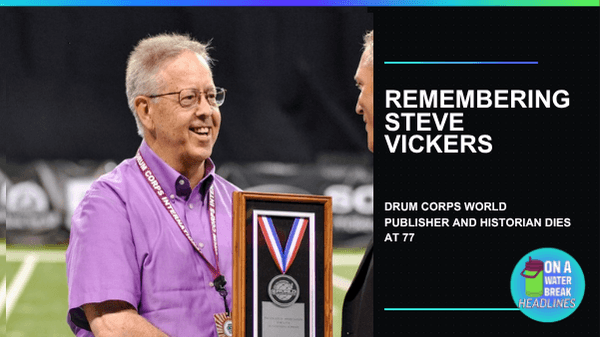
Steve Vickers, who published Drum Corps World for more than 50 years and was inducted into the DCI Hall of Fame in 2007, died Sept. 24 at age 77. OAWB remembers the role Drum Corps World played for generations of performers before scores and activity news were instantly available online.

S4EP39-NEWS-05
Ten ensembles representing the Netherlands, Germany, Belgium, Poland and Ireland met in Dordrecht for the 2026 European Drum Corps Championships, competing across Premier, Junior, Concert, SoundSport and the new Show Class.

S4EP38-NEWS-01
Aldine ISD stopped distribution of a Nimitz High School marching band shirt tied to its Salem witch-trial production after complaints that the artwork evoked racist violence. OAWB discusses the design, interpretation and approval process while keeping disputed interpretations attributed.

S4EP38-NEWS-02
First responders treated nine people for mostly dehydration during a marching band event at Sullivan High School in Missouri; two were transported by ambulance, the event moved indoors and finals were canceled.

S4EP38-NEWS-03
Indiana named Homestead High School Associate Director of Bands Jason Witzigreuter its 2027 Teacher of the Year. He directs the Freshman Concert Band, Jazz Ensemble 1 and Spartan Alliance Marching Band and assists other school ensembles.

S4EP38-NEWS-04
Drum Corps International opened 2027 SoundSport registration, inviting ensembles of at least five performers across ages, instrumentation, experience levels and performance styles.

S4EP38-NEWS-05
The Amazing Race Canada season 12 finale included a 'Showband' challenge in which one racer had to learn a complex drumline routine, with the Calgary Stampede Showband featured in the episode.

S4EP37-NEWS-01
The Hawkeye Marching Band honored mellophone section leader Derek Phillips after his death following a Sept. 5 medical emergency. OAWB then discusses WBGT, shade and water breaks, and rehearsal planning without assigning a medical cause not established by official sources.

S4EP37-NEWS-02
Penn State's Blue Band and Morgan State University's Magnificent Marching Machine joined a first-of-its-kind Hamilton NFL halftime production at MetLife Stadium as part of the Giants' 9/11 remembrance program.
S4EP39-NEWS-03
At recording, Jeremy Denzer reported that Independent Open had filled its expanded 48-unit World Championships allotment with two groups already waitlisted, while Scholastic A also had a growing waitlist. WGI has separately acknowledged 2027 Color Guard World Championships capacity restrictions and says it is continuing to look for solutions.
S4EP39-NEWS-04
WGI approved a quad judging panel for 2027 Percussion World Class finals, doubling the existing finals panel. The episode also discusses Audio Theater’s announcement that it will step away from WGI competition for the 2027 season and changes to the 2027 regional calendar.
S4EP39-NEWS-01
The family of Hawkeye Marching Band mellophone section leader Derek Phillips thanked musicians, fans and organizations across the country for the memories, messages and tributes shared after his death. OAWB reflects on the response from the marching community.
S4EP39-NEWS-02
Steve Vickers, who published Drum Corps World for more than 50 years and was inducted into the DCI Hall of Fame in 2007, died Sept. 24 at age 77. OAWB remembers the role Drum Corps World played for generations of performers before scores and activity news were instantly available online.
S4EP39-NEWS-05
Ten ensembles representing the Netherlands, Germany, Belgium, Poland and Ireland met in Dordrecht for the 2026 European Drum Corps Championships, competing across Premier, Junior, Concert, SoundSport and the new Show Class.
S4EP38-NEWS-01
Aldine ISD stopped distribution of a Nimitz High School marching band shirt tied to its Salem witch-trial production after complaints that the artwork evoked racist violence. OAWB discusses the design, interpretation and approval process while keeping disputed interpretations attributed.
S4EP38-NEWS-02
First responders treated nine people for mostly dehydration during a marching band event at Sullivan High School in Missouri; two were transported by ambulance, the event moved indoors and finals were canceled.
S4EP38-NEWS-03
Indiana named Homestead High School Associate Director of Bands Jason Witzigreuter its 2027 Teacher of the Year. He directs the Freshman Concert Band, Jazz Ensemble 1 and Spartan Alliance Marching Band and assists other school ensembles.
S4EP38-NEWS-04
Drum Corps International opened 2027 SoundSport registration, inviting ensembles of at least five performers across ages, instrumentation, experience levels and performance styles.
S4EP38-NEWS-05
The Amazing Race Canada season 12 finale included a 'Showband' challenge in which one racer had to learn a complex drumline routine, with the Calgary Stampede Showband featured in the episode.
S4EP37-NEWS-01
The Hawkeye Marching Band honored mellophone section leader Derek Phillips after his death following a Sept. 5 medical emergency. OAWB then discusses WBGT, shade and water breaks, and rehearsal planning without assigning a medical cause not established by official sources.
S4EP37-NEWS-02
Penn State's Blue Band and Morgan State University's Magnificent Marching Machine joined a first-of-its-kind Hamilton NFL halftime production at MetLife Stadium as part of the Giants' 9/11 remembrance program.
Stay in the know!
JOIN THE CONVERSATION
Sign up for our newsletter to get exclusive content, episode updates, and behind-the-scenes insights. Stay up to date on all things Marching Arts!

Stay in the know!
JOIN THE CONVERSATION
Sign up for our newsletter to get exclusive content, episode updates, and behind-the-scenes insights. Stay up to date on all things Marching Arts!